The Great Wildebeest Migration: A Journey of Survival
The wildebeest migration is the annual,
cyclical movement of wildebeest, zebras, and other herbivores across the
Serengeti-Mara ecosystem, primarily between the Serengeti National Park in
Tanzania and the Maasai Mara in Kenya. It is one of the most dramatic natural
events in the animal kingdom where 1.5 million wildebeest take part, along with
hundreds of thousands of zebras and gazelles. This natural event isn’t a single
migration but a continuous loop, driven by seasonal rains and the search for
fresh grazing grounds.
Why Do the Wildebeest Migrate?
Survival instincts: Wildebeest, being primarily herbivores, rely heavily on fresh
grass for their sustenance. This dependence on grazing leads them to move in
search of food, which is influenced by the seasonal rainfall patterns in their
habitat. As the rains come and the grasslands flourish, wildebeest embark on
their epic migrations, seeking out the most abundant and nutrient-rich pastures
to support their herds.
The circle of life: The migration of wildebeest is intricately linked to the broader
ecological web of the region. As these animals journey across vast distances,
their movements not only impact their immediate survival but also significantly
affect local predator populations, such as lions and hyenas, which capitalize
on the opportunities presented by the migrating herds. Additionally, the
migration plays a crucial role in the health of the ecosystem by influencing
plant growth and availability. The presence of scavengers, such as vultures and
hyenas, is also tied to the migration, as they benefit from the carcasses left
behind, ensuring that nutrients are recycled back into the environment. This
cycle exemplifies the interconnectedness of life in the savannah, where each
species plays a vital role in maintaining ecological balance.
The Route and Timing
Migration Path and Timing
The Path: The
great migration begins in the southern Serengeti, particularly around the Ndutu
region, where the wildebeest calving season occurs. This spectacular event
typically takes place from late January through March, allowing countless
newborns to join the ranks of this iconic herd. As the months progress, the
herds begin their northward journey, traversing the stunning landscapes of the
Serengeti. Along this route, they encounter key landmarks such as the Grumeti
River, famous for its dramatic crossings where crocodiles lay in wait. As the
migration continues, they arrive at the Mara River, another critical point
where the herds face perilous river crossings, testing their courage and
survival instincts.
Timing: The
migration generally occurs between June and October, though it's important to
note that the timings can fluctuate based on rainfall patterns and the
availability of grazing. Instead of adhering to a strict schedule, the
migration behaves as an adaptive response to environmental cues such as grass
growth, water availability, and weather changes. This dynamic adjustment
highlights the resilience and survival instinct of the wildebeest and
accompanying wildlife, making every journey a unique spectacle driven by the
rhythms of nature.
The Challenges of the Migration
Crossing the Rivers: One of the most perilous and dramatic segments of the wildebeest
migration occurs when they confront the treacherous Grumeti and Mara Rivers.
These waterways are notorious for their high populations of crocodiles, which
lie in wait to ambush unsuspecting animals. The crossing often results in
significant loss of life, as the wildebeest, driven by instinct and the need to
find greener pastures, plunge into the churning waters. Many do not survive
this harrowing ordeal, leading to a staggering mortality rate during these
crossings, where the odds are heavily stacked against them.
Predators: The
wildebeest migration is a magnet for a variety of opportunistic predators,
including lions, leopards, cheetahs, hyenas, and wild dogs. These carnivores
trail the herds, taking advantage of the confusion and chaos that accompany the
migration. The constant influx of movement creates a tense environment where
the wildebeest must remain vigilant to avoid becoming easy targets. This
relentless struggle against predation adds layers of danger to their journey,
as they are engaged in a continuous battle for survival, employing instinctual
strategies to evade capture while navigating the ever-present threat of their
hunters.
Weather Conditions: The migration is not only influenced by the wildebeest's instinctual
behaviors but also heavily impacted by the whims of the weather. Droughts can
devastate the landscape, with scarce water and food sources forcing the herds
to adapt their routes. On the other hand, unpredictable rainfall can alter the
timing and direction of their movement, creating additional stress on the
delicate ecosystem they inhabit. These climatic shifts can disrupt the delicate
balance of life in the savannah, affecting not only the wildebeest but also the
myriad of species that depend on this seasonal migration for their survival.
The Role of Other Animals in the
Migration
Zebras and Gazelles in the Migration: While wildebeest constitute the largest portion of the great
migration, they do not travel alone. Accompanying them are zebras and gazelles,
each playing distinct yet vital roles in this remarkable journey. Zebras are
particularly adept at grazing on a variety of grasses, which allows them to
thrive in different environments along the migration route. Their ability to
consume coarser, tougher grasses makes them important foraging companions for
the wildebeest, as they help to maintain the health of the grasses and ensure
that multiple species can benefit from the available resources.
Gazelles, on the other hand, serve as
keen observers in the herd. Their excellent
eyesight enables them to spot potential grazing areas from a distance, helping
the group navigate the vast plains. By alerting the herd to the presence of
lush pastures, gazelles increase the efficiency of foraging and ultimately
contribute to the overall success of the migration. Their agility also aids
them in evading predators, thereby ensuring that they not only survive the
journey but also assist their companions along the way.
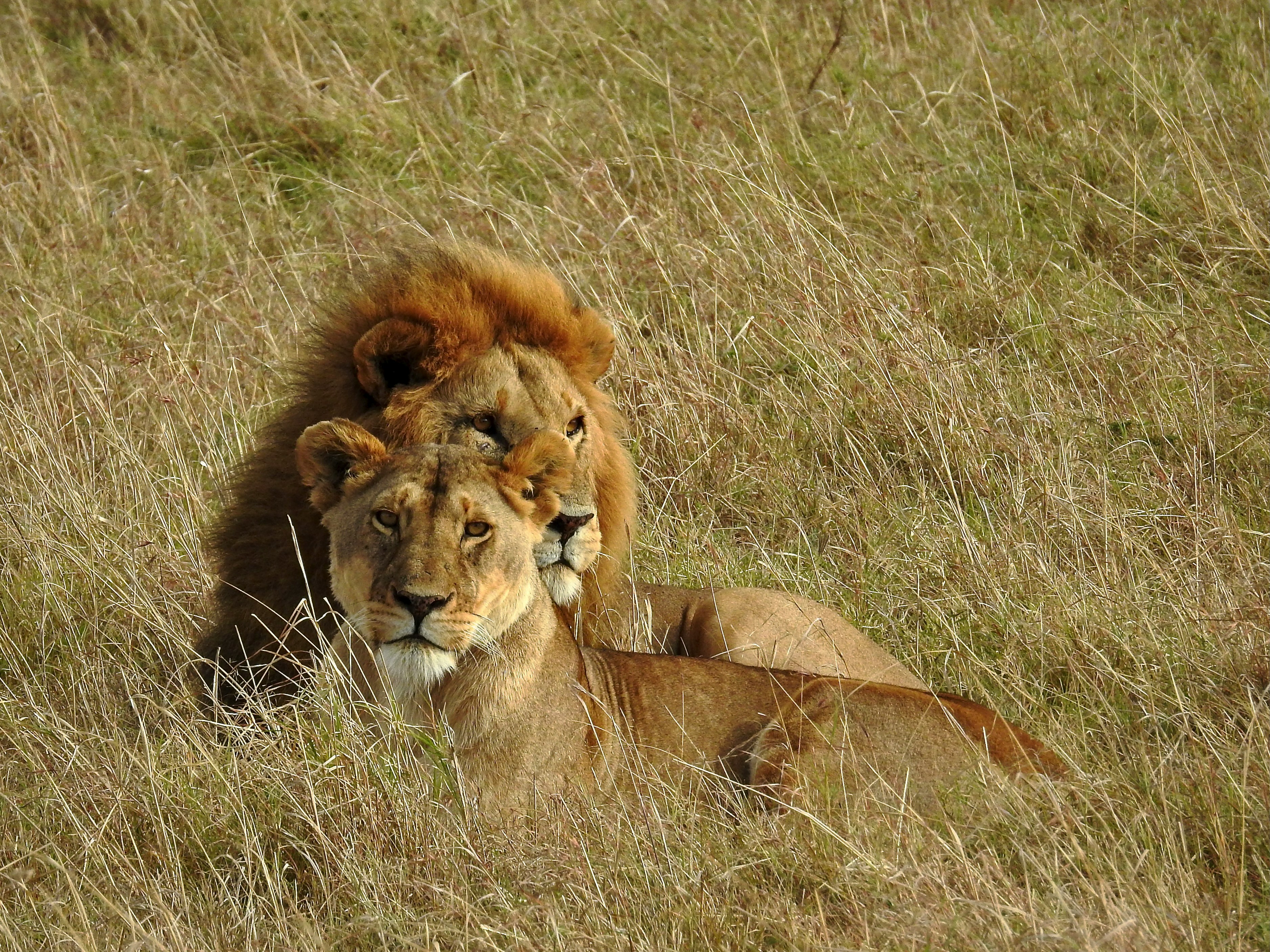
Predators and Their Role: Following closely behind the migratory herd are key predators, such
as lions and hyenas, which take advantage of the great migration to hunt for
prey. These predators often track the movements of the wildebeest, zebras, and
gazelles, focusing on weak, young, or injured individuals who are more
vulnerable. This dynamic influences predator-prey relationships significantly,
as the migration provides ample opportunities for predators to hunt, ensuring
their survival as well.
The presence of the migration creates a
cycle of life and death that is integral to the ecosystem's balance. Predators
benefit from the dense concentrations of prey, while the prey species must
remain vigilant and adaptive. This ongoing interaction helps to shape the
behaviors and population dynamics of all species involved, as the pressures of
predation force prey animals to develop strategies for survival, such as
forming larger herds or developing heightened alertness during grazing.
Together, these factors contribute to the rich tapestry of life found in this
region during the migration season.